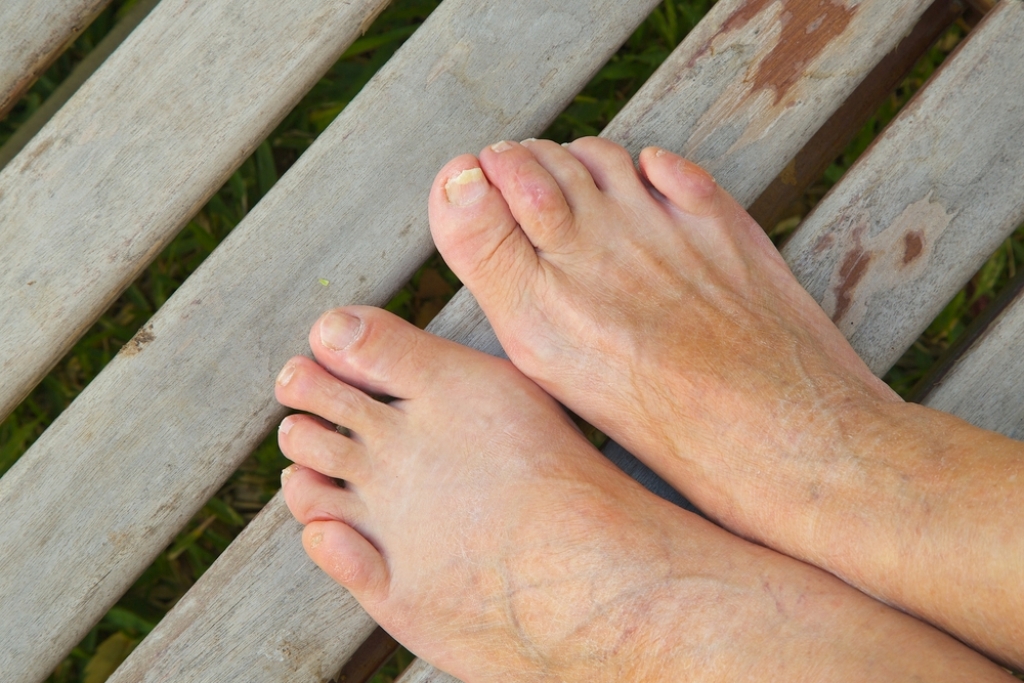
A hammertoe is a toe that bends downward at the middle joint instead of lying flat. It usually affects the second, third, or fourth toe and can make wearing shoes uncomfortable. The condition develops when the muscles, tendons, and ligaments that control the toe become unbalanced. Ligaments are strong bands of tissue that connect bones, while tendons connect muscles to bones. Wearing shoes that are too tight or shoes that lack proper support can increase pressure on the toes and make the problem worse. Arthritis, foot injuries, and inherited foot structure also can contribute to hammertoes. Symptoms include pain, stiffness, and difficulty while walking. Corns and calluses also can develop because the bent toe rubs against the inside of the shoe.
A podiatrist performs a thorough examination to determine the severity of the hammertoe and whether other foot problems are present. The evaluation includes checking the flexibility of the affected toe, the position of the joints, and the strength of the surrounding muscles. The podiatrist also watches how the patient stands and walks because changes in movement can increase pressure on the toes. X-rays provide detailed images of the bones and help identify arthritis or changes in joint alignment. An accurate diagnosis allows the podiatrist to develop a treatment plan that matches the patient's symptoms and activity level. Early treatment can help prevent the toe from becoming more rigid and painful.
Treatment depends on how flexible the toe remains and how much discomfort it causes. A podiatrist can recommend shoes with a wide toe box to reduce pressure on the affected toe. Care also includes custom orthotics that improve foot alignment and reduce stress on the joints. Stretching and strengthening exercises can improve muscle balance and help support better toe movement. Patients with severe deformities or toes that have become permanently stiff can benefit from surgery to restore a more natural position. If you have developed a hammertoe, it is suggested that you schedule an appointment with a podiatrist for a diagnosis and appropriate treatment.
Hammertoes can be a painful condition to live with. For more information, contact one of our podiatrists of Spartan Podiatry. Our doctors will answer any of your foot- and ankle-related questions.
Hammertoe
Hammertoe is a foot deformity that occurs due to an imbalance in the muscles, tendons, or ligaments that normally hold the toe straight. It can be caused by the type of shoes you wear, your foot structure, trauma, and certain disease processes.
Symptoms
- Painful and/or difficult toe movement
- Swelling
- Joint stiffness
- Calluses/Corns
- Physical deformity
Risk Factors
- Age – The risk of hammertoe increases with age
- Sex – Women are more likely to have hammertoe compared to men
- Toe Length – You are more likely to develop hammertoe if your second toe is longer than your big toe
- Certain Diseases – Arthritis and diabetes may make you more likely to develop hammertoe
Treatment
If you have hammertoe, you should change into a more comfortable shoe that provides enough room for your toes. Exercises such as picking up marbles may strengthen and stretch your toe muscles. Nevertheless, it is important to seek assistance from a podiatrist in order to determine the severity of your hammertoe and see which treatment option will work best for you.
If you have any questions, please feel free to contact our offices located in Battle Creek and Marshall, MI . We offer the newest diagnostic and treatment technologies for all your foot care needs.
