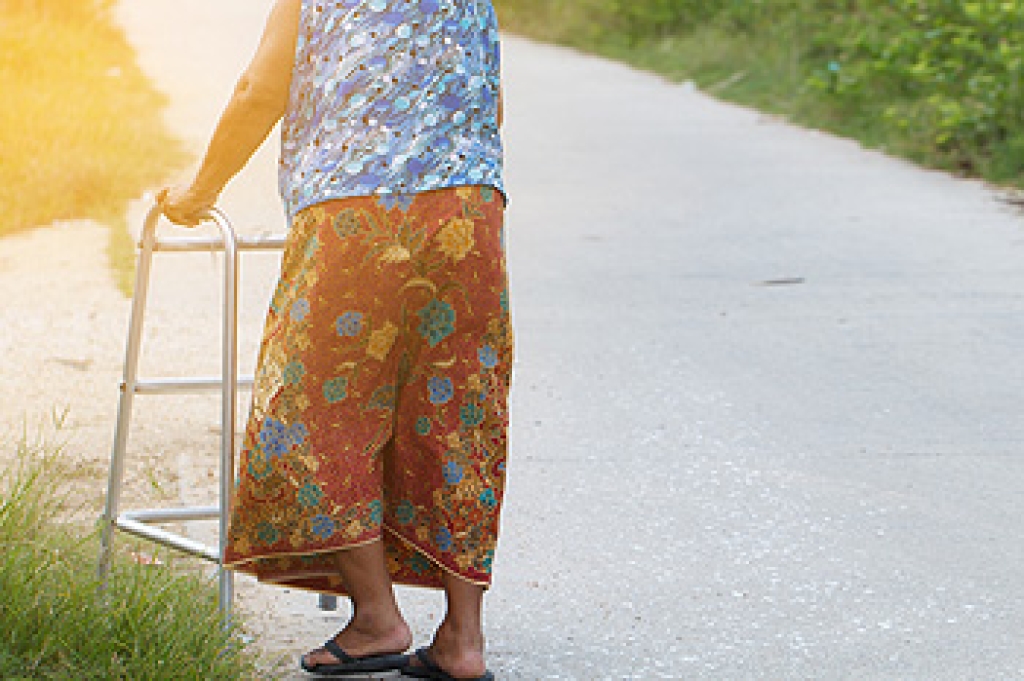
Falling Has Increased Across the Globe

Research has shown millions of people fall every year, which could lead to disabilities or even death. Over the last 20 years the number of falls has increased more rapidly than any other type of injury, according to world health experts. It is beneficial to have programs in place that can teach balance and strength training to older individuals. Tai chi and yoga, which can fall into these categories, may improve overall health in addition to preventing falls. Many falls happen in the home, and installing grab bars in the toilet and shower areas may help to reduce these accidents. Additionally, it can help to replace worn rugs and improve lighting in the living areas. Falling can affect the feet, and it is crucial to avoid injuring the toes or feet. If you would like to learn more about effective fall prevention techniques, it is suggested that you speak with a podiatrist. 

Preventing falls among the elderly is very important. If you are older and have fallen or fear that you are prone to falling, consult with one of our podiatrists from Spartan Podiatry. Our doctors will assess your condition and provide you with quality advice and care.

Every 11 seconds, an elderly American is being treated in an emergency room for a fall related injury. Falls are the leading cause of head and hip injuries for those 65 and older. Due to decreases in strength, balance, senses, and lack of awareness, elderly persons are very susceptible to falling. Thankfully, there are a number of things older persons can do to prevent falls.

How to Prevent Falls

Some effective methods that older persons can do to prevent falls include:

  • Enrolling in strength and balance exercise program to increase balance and strength
  • Periodically having your sight and hearing checked
  • Discuss any medications you have with a doctor to see if it increases the risk of falling
  • Clearing the house of falling hazards and installing devices like grab bars and railings
  • Utilizing a walker or cane
  • Wearing shoes that provide good support and cushioning
  • Talking to family members about falling and increasing awareness

Falling can be a traumatic and embarrassing experience for elderly persons; this can make them less willing to leave the house, and less willing to talk to someone about their fears of falling. Doing such things, however, will increase the likelihood of tripping or losing one’s balance. Knowing the causes of falling and how to prevent them is the best way to mitigate the risk of serious injury.  

If you have any questions, please feel free to contact our offices located in Battle Creek and Marshall, MI . We offer the newest diagnostic and treatment technologies for all your foot care needs.
Read more about Falls Prevention

Stretching the Feet Before Playing Pickleball

People may enjoy playing pickleball instead of tennis as it is less demanding on the body. It is wise to properly stretch the feet and ankles before engaging in this sport, which may help prevent chronic or acute injuries. Acute pain can be traumatic and is generally caused by a single event, such as falling and bracing the body with one hand. This may lead to incurring a broken wrist. Repeated stress over time may point to developing a chronic injury. An example of this can be reaching down to hit a low ball and repeating it several times throughout the match. A common injury people can get while playing pickleball can affect the Achilles tendon. This is located in the lower back of the leg and connects the heels to the calf muscles. This injury may be acute or chronic, and the Achilles tendon can become completely or partially torn. It is beneficial to stretch the heels and calf muscles before beginning to play pickleball, in addition to wearing proper shoes for this type of sport. If you would like more information about how the feet can be affected by a pickleball injury, it is suggested that you consult with a podiatrist. 

Ankle and foot injuries are common among athletes and in many sports. They can be caused by several problems and may be potentially serious. If you are feeling pain or think you were injured in a sporting event or when exercising, consult with one of our podiatrists from Spartan Podiatry. Our doctors will assess your condition and provide you with quality foot and ankle treatment.

Common Injuries

The most common injuries that occur in sporting activities include:

  • Achilles Tendonitis
  • Achilles Tendon Rupture
  • Ankle Sprains
  • Broken Foot
  • Plantar Fasciitis
  • Stress Fractures
  • Turf Toe

Symptoms

Symptoms vary depending upon the injury and in some cases, there may be no symptoms at all. However, in most cases, some form of symptom is experienced. Pain, aching, burning, bruising, tenderness, tightness or stiffness, sensation loss, difficulty moving, and swelling are the most common symptoms.

Treatment

Just as symptoms vary depending upon the injury, so do treatment options. A common treatment method is known as the RICE method. This method involves rest, applying ice, compression and elevating the afflicted foot or ankle. If the injury appears to be more serious, surgery might be required, such as arthroscopic or reconstructive surgery. Lastly, rehabilitation or therapy might be needed to gain full functionality in the afflicted area. Any discomfort experienced by an athlete must be evaluated by a licensed, reputable medical professional.  

If you have any questions please contact our offices located in Battle Creek and Marshall, MI . We offer the newest diagnostic and treatment technologies for all your foot and ankle needs.

Read more about Sports Related Foot and Ankle Injuries

Dealing With an Ingrown Toenail

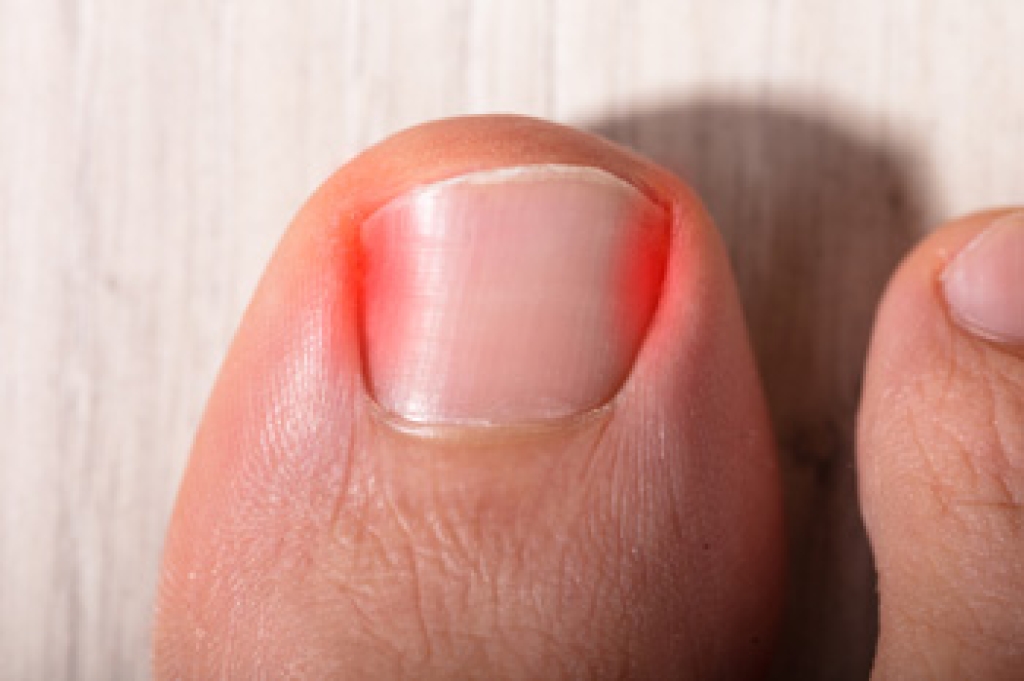
An ingrown toenail occurs when the nail of the big toe grows into the surrounding nail bed instead of over it. The main symptom of an ingrown toenail is pain, especially when wearing tight shoes and socks or putting pressure on the toe. If left untreated, the area around the ingrown toenail can become inflamed and red, while fluid builds up as a protective measure. If infected, white or yellow pus may form. The major cause of an ingrown toenail is improper foot care, particularly when the toenails are cut too short or rounded on the edges instead of straight across. Other causes are wearing shoes and socks that are too tight, an injury like stubbing the toe, or sweaty feet. Prevention of an ingrown toenail begins with keeping your feet clean and dry, changing socks regularly, and cutting toenails straight across. Next, wear comfortable shoes that allow the toes to move around rather than being squeezed together. If an ingrown toenail becomes too painful or infected, it is suggested that you make an appointment with a podiatrist who can determine the best treatment.

Ingrown toenails may initially present themselves as a minor discomfort, but they may progress into an infection in the skin without proper treatment. For more information about ingrown toenails, contact one of our podiatrists of Spartan Podiatry. Our doctors can provide the care you need to keep you pain-free and on your feet.

Ingrown Toenails

Ingrown toenails are caused when the corner or side of a toenail grows into the soft flesh surrounding it. They often result in redness, swelling, pain, and in some cases, infection. This condition typically affects the big toe and may recur if it is not treated properly.

Causes

  • Improper toenail trimming
  • Genetics
  • Improper shoe fitting
  • Injury from pedicures or nail picking
  • Abnormal gait
  • Poor hygiene

You are more likely to develop an ingrown toenail if you are obese, have diabetes, arthritis, or have any fungal infection in your nails. Additionally, people who have foot or toe deformities are at a higher risk of developing an ingrown toenail.

Symptoms

Some symptoms of ingrown toenails are redness, swelling, and pain. In rare cases, there may be a yellowish drainage coming from the nail.

Treatment

Ignoring an ingrown toenail can have serious complications. Infections of the nail border can progress to a deeper soft-tissue infection, which can then turn into a bone infection. You should always speak with your podiatrist if you suspect you have an ingrown toenail, especially if you have diabetes or poor circulation.

If you have any questions, please feel free to contact our offices located in Battle Creek and Marshall, MI . We offer the newest diagnostic and treatment technologies for all your foot care needs.
Read more about Ingrown Toenail Care

The Definition of Clubfoot

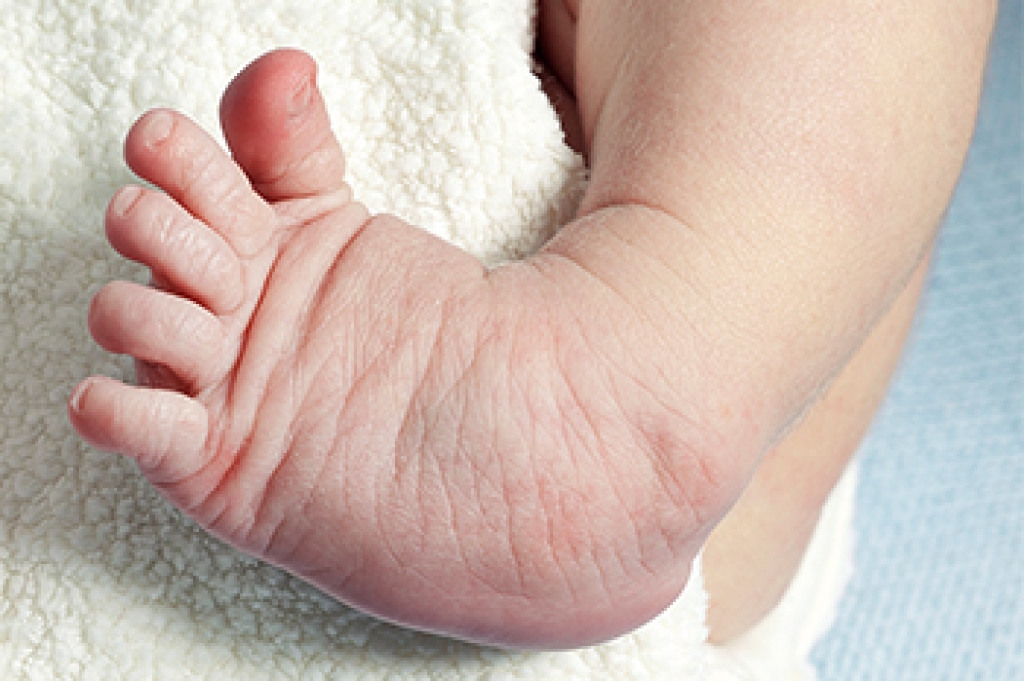
Clubfoot is a common congenital foot defect that causes a newborn’s foot to turn in or down, and the toes point toward the opposite foot. The foot, heel, and calf muscle on the affected foot may be smaller than in the other foot. In severe instances, the foot may be twisted upside down. The tendons that connect the leg muscles to the heel are too short, which causes the baby’s foot to twist into an unnatural position. It is thought that this can happen due to genetic reasons or if there is low amniotic fluid surrounding the baby in the womb. It is more common in babies with mothers who smoked or used recreational drugs during pregnancy. It is twice as likely to impact boy infants as girls. Clubfoot can affect one or both feet and may be mild or severe. Clubfoot is not painful and can often be corrected while the child is an infant if treated immediately. The success rate is high for those treated, and the majority of children will walk normally and lead an ordinary life. If you know your child has clubfoot in utero or is born with this affliction, it is strongly suggested that you visit a podiatrist as soon as possible after birth to have the severity of the deformity determined, and to begin the correct treatment.

Congenital foot problems require immediate attention to avoid future complications. If you have any concerns, contact one of our podiatrists of Spartan Podiatry. Our doctors can provide the care you need to keep you pain-free and on your feet.

Congenital foot problems are deformities affecting the feet, toes, and/or ankles that children are born with. Some of these conditions have a genetic cause while others just happen. Some specific foot ailments that children may be born with include clubfeet, polydactyly/macrodactyly, and cleft foot. There are several other foot anomalies that can occur congenitally. What all of these conditions have in common is that a child may experience difficulty walking or performing everyday activities, as well as trouble finding footwear that fits their foot deformity. Some of these conditions are more serious than others. Consulting with a podiatrist as early as possible will help in properly diagnosing a child’s foot condition while getting the necessary treatment underway.

What are Causes of Congenital Foot Problem?

A congenital foot problem is one that happens to a child at birth. These conditions can be caused by a genetic predisposition, developmental or positional abnormalities during gestation, or with no known cause.

What are Symptoms of Congenital Foot Problems?

Symptoms vary by the congenital condition. Symptoms may consist of the following:

  • Clubfoot, where tendons are shortened, bones are shaped differently, and the Achilles tendon is tight, causing the foot to point in and down. It is also possible for the soles of the feet to face each other.
  • Polydactyly, which usually consists of a nubbin or small lump of tissue without a bone, a toe that is partially formed but has no joints, or an extra toe.
  • Vertical talus, where the talus bone forms in the wrong position causing other bones in the foot to line up improperly, the front of the foot to point up, and the bottom of the foot to stiffen, with no arch, and to curve out.
  • Tarsal coalition, when there is an abnormal connection of two or more bones in the foot leading to severe, rigid flatfoot.
  • Cleft foot, where there are missing toes, a V-shaped cleft, and other anatomical differences.
  • Macrodactyly, when the toes are abnormally large due to overgrowth of the underlying bone or soft tissue.

Treatment and Prevention

While there is nothing one can do to prevent congenital foot problems, raising awareness and receiving neonatal screenings are important. Early detection by taking your child to a podiatrist leads to the best outcome possible.

If you have any questions, please feel free to contact our offices located in Battle Creek and Marshall, MI . We offer the newest diagnostic and treatment technologies for all your foot care needs.
Read more about Congenital Foot Problems

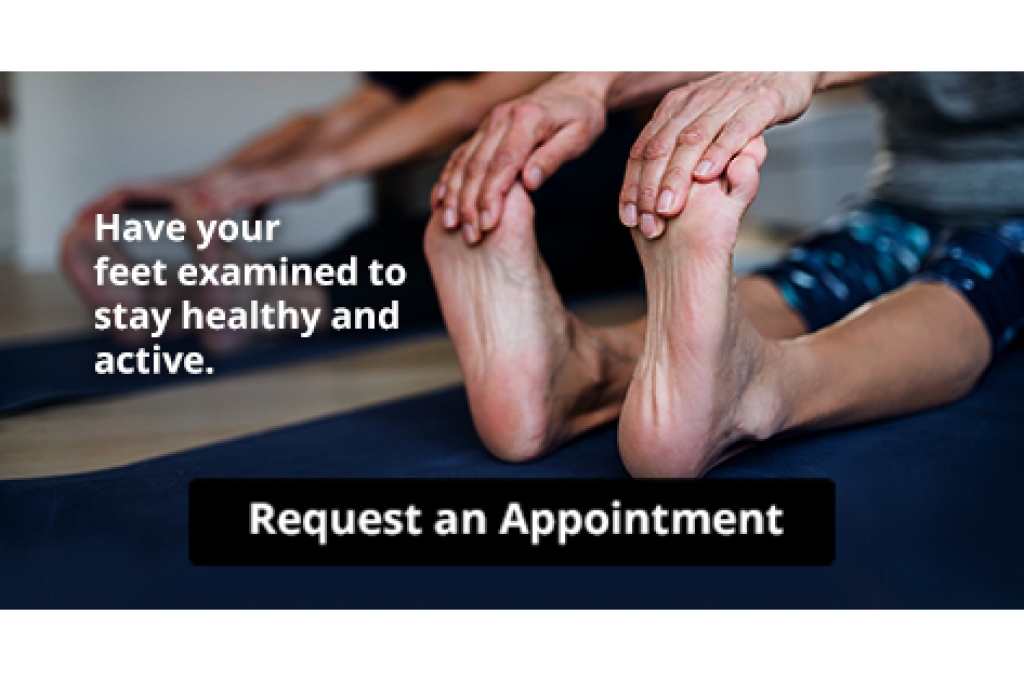
Keep Your Feet Healthy So You Can Stay Active

Have your feet inspected by a professional before starting a new sport or physical activity. Taking charge of your foot health will keep you in good physical condition and can help you avoid a potential injury, such as a fracture or sprained ankle.

Prevent injuries and see a foot specialist.

Connect With Us