Do Heel Cups Help With Plantar Fasciitis?

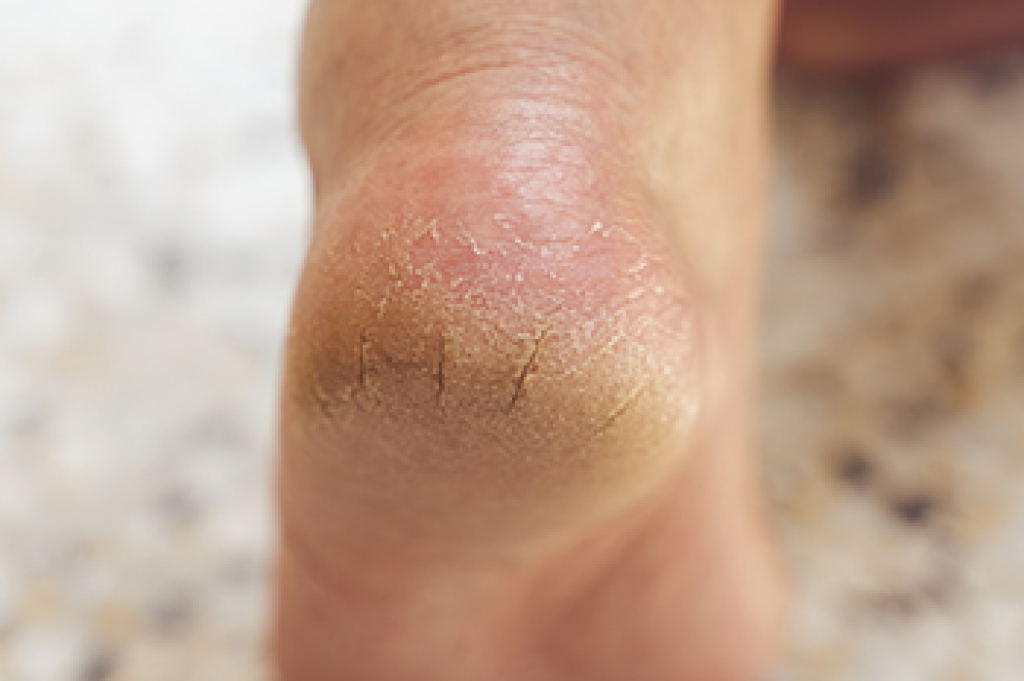
Plantar fasciitis causes pain where a strong band of tissue runs along the bottom of the foot. This band, called the plantar fascia, connects the heel bone to the toes. Repeated strain can irritate it. Pain is sharpest with the first steps after resting, and can return after long periods of standing. Running, a sudden increase in activity, and shoes that lack proper support can place added stress on the area.

Heel cups are small inserts that sit beneath and around the heel inside a shoe. They are usually made of gel, foam, or firm plastic. By cradling the heel, a cup can provide cushioning and help spread pressure across a wider area. It can also raise the heel slightly, which may reduce tension on the plantar fascia. However, heel cups do not correct every cause of plantar fasciitis. The wrong size can slide, crowd the shoe, or change how the foot rests. A heel cup should fit securely in a supportive shoe without forcing the toes forward. Patients should also understand that a softer product is not always the best choice. The right amount of firmness depends on the foot, symptoms, and daily activities.

A podiatrist can determine whether a heel cup is appropriate by examining the heel and checking how the foot moves. The evaluation includes a review of when the pain began and which activities make it worse. The podiatrist can also rule out problems like a stress fracture, nerve irritation, or damage to the heel's natural padding. Treatment can include professionally selected heel cups, supportive shoe recommendations, or custom orthotics. A podiatrist can adjust these devices so they support the foot without creating pressure elsewhere. Follow-up visits allow the podiatrist to check progress and change the treatment plan when pain continues. If you have heel pain, it is suggested that you schedule an appointment with a podiatrist for a diagnosis and appropriate treatment.

Plantar fasciitis can be very painful and inconvenient. If you are experiencing heel pain or symptoms of plantar fasciitis, contact one of our podiatrists  from Spartan Podiatry. Our doctors can provide the care you need to keep you pain-free and on your feet.

What Is Plantar Fasciitis?

Plantar fasciitis is the inflammation of the thick band of tissue that runs along the bottom of your foot, known as the plantar fascia, and causes mild to severe heel pain.

What Causes Plantar Fasciitis?

  • Excessive running
  • Non-supportive shoes
  • Overpronation
  • Repeated stretching and tearing of the plantar fascia

How Can It Be Treated?

  • Conservative measures – anti-inflammatories, ice packs, stretching exercises, physical therapy, orthotic devices
  • Shockwave therapy – sound waves are sent to the affected area to facilitate healing and are usually used for chronic cases of plantar fasciitis
  • Surgery – usually only used as a last resort when all else fails. The plantar fascia can be surgically detached from the heel

While very treatable, plantar fasciitis is definitely not something that should be ignored. Especially in severe cases, speaking to your doctor right away is highly recommended to avoid complications and severe heel pain. Your podiatrist can work with you to provide the appropriate treatment options tailored to your condition.

If you have any questions, please feel free to contact our offices located in Battle Creek and Marshall, MI . We offer the newest diagnostic and treatment technologies for all your foot care needs.


Read more about Plantar Fasciitis

Understanding Ganglion Cysts on the Foot

A ganglion cyst on the foot is a fluid-filled sac that forms below the skin. It usually develops near a joint or tendon, which is the strong tissue that connects a muscle to a bone. The cyst can feel like a small, smooth lump under the skin. Ganglion cysts can develop in different areas of the foot, but they are especially common on the top of the foot. A cyst can sometimes develop after an injury or repeated stress on the foot. While a ganglion cyst is usually not dangerous, it can cause problems when it presses on nearby tissues or rubs against a shoe.

Symptoms depend on the size and location of the cyst. Some people notice only a lump and have little or no discomfort. Others can have pain, an ache, tingling, or burning when the cyst puts pressure on a nerve, tendon, or joint. A podiatrist can examine the foot and check the lump to determine whether it is a ganglion cyst. In some cases, imaging tests can help provide a clearer view of the area. A small amount of fluid can also be removed from the cyst for examination. These steps can help rule out other causes of a lump or foot pain and guide the best treatment approach.

Treatment depends on the cyst and the symptoms it causes. A podiatrist can monitor a cyst that is not causing significant problems. A podiatrist can also drain the fluid from the cyst, although ganglion cysts can return after this treatment. When other treatments do not provide relief or the cyst continues to cause problems, it can be removed. Surgery has a lower chance of the cyst returning than drainage, but a ganglion cyst can still come back. If you have symptoms of a ganglion cyst on the foot, it is suggested that you schedule an appointment with a podiatrist for effective relief and treatment solutions.

Foot Pain

Foot pain can be extremely painful and debilitating. If you have a foot pain, consult with one of our podiatrists from Spartan Podiatry. Our doctors will assess your condition and provide you with quality foot and ankle treatment.

Causes

Foot pain is a very broad condition that could be caused by one or more ailments. The most common include:

  • Bunions
  • Hammertoes
  • Plantar Fasciitis
  • Bone Spurs
  • Corns
  • Tarsal Tunnel Syndrome
  • Ingrown Toenails
  • Arthritis (such as Gout, Rheumatoid, and Osteoarthritis)
  • Flat Feet
  • Injury (from stress fractures, broken toe, foot, ankle, Achilles tendon ruptures, and sprains)
  • And more

Diagnosis

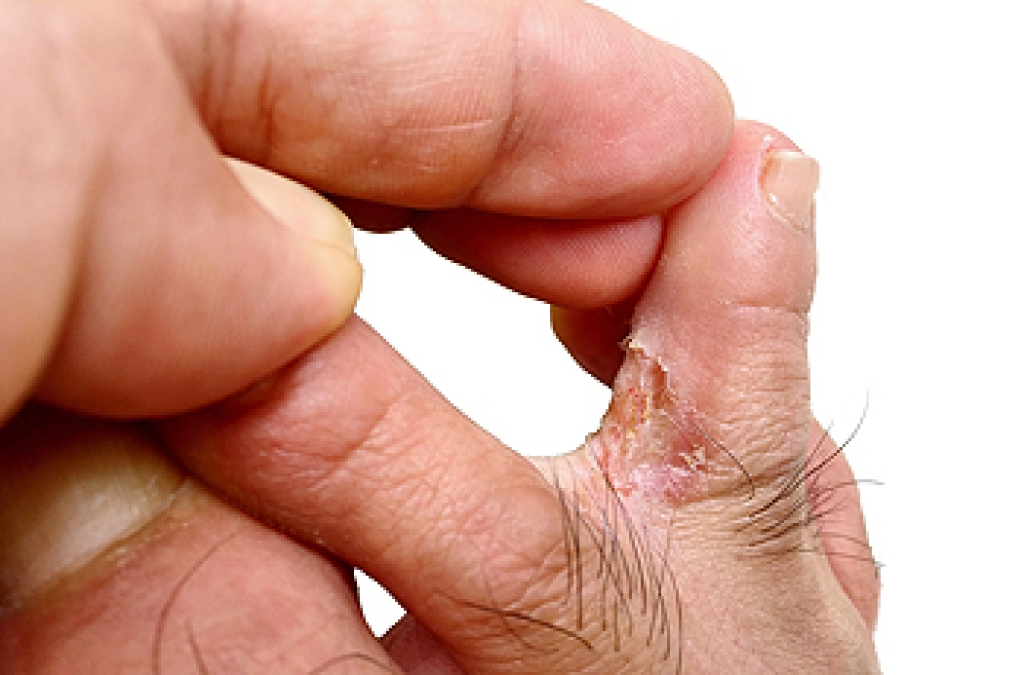
To figure out the cause of foot pain, podiatrists utilize several different methods. This can range from simple visual inspections and sensation tests to X-rays and MRI scans. Prior medical history, family medical history, and any recent physical traumatic events will all be taken into consideration for a proper diagnosis.

Treatment

Treatment depends upon the cause of the foot pain. Whether it is resting, staying off the foot, or having surgery; podiatrists have a number of treatment options available for foot pain.

If you have any questions, please feel free to contact our offices located in Battle Creek and Marshall, MI . We offer the newest diagnostic and treatment technologies for all your foot care needs.
Read more about Foot Pain

We Can Treat Your Foot or Ankle Pain

Foot or ankle pain can negatively affect your day-to-day life and can occur due to several different conditions. Pain can also be an indicator of a more serious underlying condition, which is why you should seek professional help as soon as you notice any abnormalities in your feet.

Flexible Versus Rigid Hammertoe

Hammertoe is a toe deformity that causes one of the smaller toes to remain bent instead of lying flat. It usually affects the second, third, or fourth toe. The abnormal bend can create pressure where the toe rubs against a shoe. Corns can form on top of the toe, while calluses can develop near its tip. Pain while walking can become more noticeable as the deformity progresses. Some patients also have other foot changes, including high arches or a bunion.

Several factors can contribute to hammertoe.  wearing shoes that are too tight in the toe box can squeeze the toes into a bent position. High-heeled shoes can also increase pressure on the front of the foot. In some patients, the structure of the foot or an imbalance in the muscles and tendons contributes to the deformity. A hammertoe can remain flexible in its early stages, meaning the toe can still be straightened. As the condition progresses, the joint can become stiff and remain fixed in a bent position.

A podiatrist can examine the affected toe and determine whether the deformity is flexible or rigid. X-rays can show which joints are involved and whether other changes are present. Treatment for a flexible hammertoe can include padding, splints, or prescription orthotics. A podiatrist can also recommend properly-fitting shoes with enough room in the toe box to reduce pressure. When the toe becomes rigid and painful, surgery can be considered to straighten it and improve function. Treatment depends on the severity of the bend, the amount of stiffness, and other foot problems. Early evaluation can help address painful pressure points before they become more difficult to manage. If you have developed a hammertoe,  it is suggested that you schedule an appointment with a podiatrist for a diagnosis and appropriate treatment.

Hammertoe

Hammertoes can be a painful condition to live with. For more information, contact one of our podiatrists from Spartan Podiatry. Our doctors will answer any of your foot- and ankle-related questions.

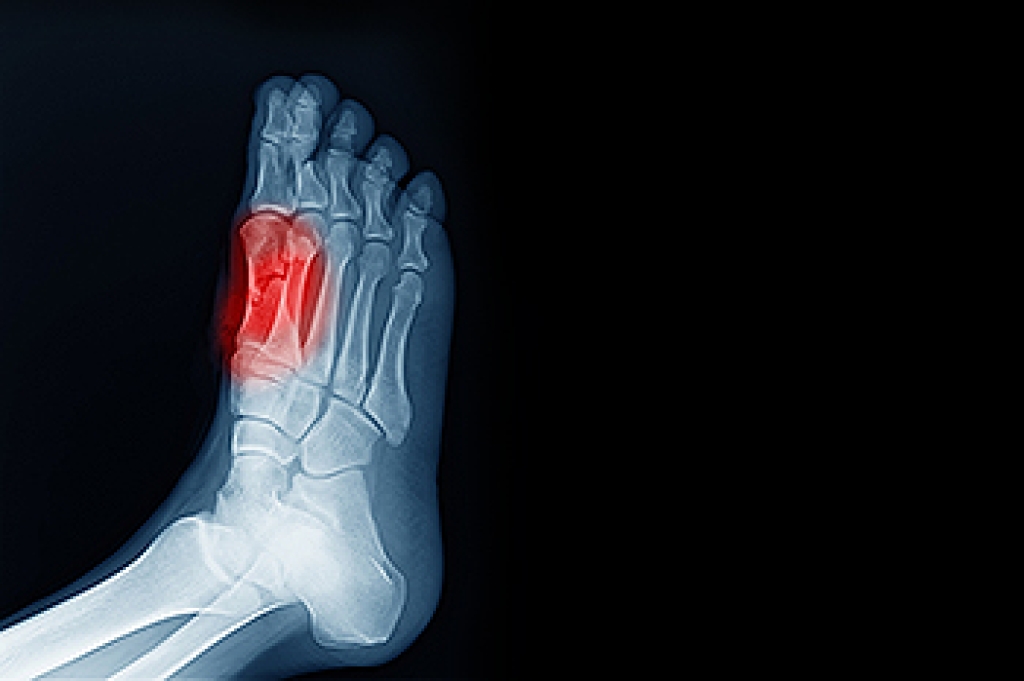
Hammertoe is a foot deformity that affects the joints of the second, third, fourth, or fifth toes of your feet. It is a painful foot condition in which these toes curl and arch up, which can often lead to pain when wearing footwear.

Symptoms

  • Pain in the affected toes
  • Development of corns or calluses due to friction
  • Inflammation
  • Redness
  • Contracture of the toes

Causes

Genetics – People who are genetically predisposed to hammertoe are often more susceptible

Arthritis – Because arthritis affects the joints in your toes, further deformities stemming from arthritis can occur

Trauma – Direct trauma to the toes could potentially lead to hammertoe

Ill-fitting shoes – Undue pressure on the front of the toes from ill-fitting shoes can potentially lead to the development of hammertoe

Treatment

Orthotics – Custom made inserts can be used to help relieve pressure placed on the toes and therefore relieve some of the pain associated with it

Medications – Oral medications such as anti-inflammatories or NSAIDs could be used to treat the pain and inflammation hammertoes causes. Injections of corticosteroids are also sometimes used

Surgery – In more severe cases where the hammertoes have become more rigid, foot surgery is a potential option

If you have any questions, please feel free to contact our offices located in Battle Creek and Marshall, MI . We offer the newest diagnostic and treatment technologies for all your foot care needs.
Read more about What Are Hammertoes?

Causes of Ankle Pain While Walking

Ankle pain while walking can make simple activities feel difficult. The ankle supports the body and helps the foot move with each step, so pain in this area can affect balance and movement. Ankle pain can develop after an injury, but it can also have other causes. Sprains, tendon issues, and problems involving the bones or joints can all contribute to ankle discomfort. Pain may occur on one or both sides of the ankle and can range from mild soreness to sharp or severe discomfort. Swelling, stiffness, or difficulty putting weight on the foot can also occur. A podiatrist can examine the ankle and determine what could be causing the pain.

A podiatrist can assess the ankle by checking its movement, strength, and areas of tenderness. The examination helps determine whether the pain is related to an injury, a tendon, or another part of the foot and ankle. Treatment depends on the cause and severity of the symptoms. Care can include protecting the affected area, reducing stress on the ankle, and using treatment designed to improve movement and function. A podiatrist can also assess how foot structure and walking patterns affect the ankle. This can be helpful when pain continues or returns after activity. 

Ankle pain while walking should receive prompt attention when it is severe, or makes it difficult to put weight on the foot. Significant swelling, a change in the shape of the ankle, or severe pain after an injury can also require careful evaluation. A podiatrist can determine whether imaging tests or additional treatment is appropriate based on the findings. Identifying the cause of ankle pain can help guide care and reduce the chance of continued problems with movement. An evaluation is also useful when ankle pain continues without a clear injury. If you have  ankle pain while walking, it is suggested that you schedule an appointment with a podiatrist for a diagnosis and appropriate treatment.

Ankle pain can have many different causes and the pain may potentially be serious. If you have ankle pain, consult with one of our podiatrists from Spartan Podiatry. Our doctors will assess your condition and provide you with quality foot and ankle treatment.

Ankle pain is any condition that causes pain in the ankle. Due to the fact that the ankle consists of tendons, muscles, bones, and ligaments, ankle pain can come from a number of different conditions.

Causes

The most common causes of ankle pain include:

  • Types of arthritis (rheumatoid, osteoarthritis, and gout)
  • Ankle sprains
  • Broken ankles
  • Achilles tendinitis
  • Achilles tendon rupture
  • Stress fractures
  • Tarsal tunnel syndrome
  • Plantar fasciitis

Symptoms

Symptoms of ankle injury vary based upon the condition. Pain may include general pain and discomfort, swelling, aching, redness, bruising, burning or stabbing sensations, and/or loss of sensation.

Diagnosis

Due to the wide variety of potential causes of ankle pain, podiatrists will utilize a number of different methods to properly diagnose ankle pain. This can include asking for personal and family medical histories and of any recent injuries. Further diagnosis may include sensation tests, a physical examination, and potentially x-rays or other imaging tests.

Treatment

Just as the range of causes varies widely, so do treatments. Some more common treatments are rest, ice packs, keeping pressure off the foot, orthotics and braces, medication for inflammation and pain, and surgery.

If you have any questions please feel free to contact our offices located in Battle Creek and Marshall, MI . We offer the newest diagnostic tools and technology to treat your foot and ankle needs.

Read more about Ankle Pain

Connect With Us