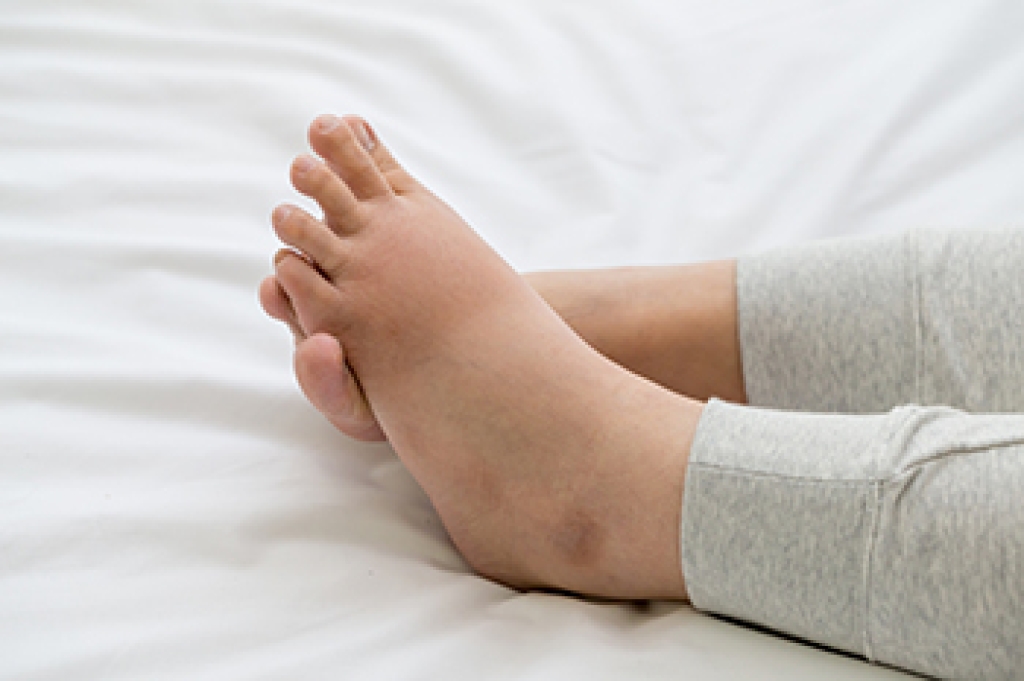
Various Reasons to Have Swollen Feet

Oedema is the medical name for fluid retention. The ankles and feet are common places for this to occur, and it may happen for various reasons. These can include heart or thyroid disease, pregnancy, and chronic lung conditions. Additionally, there may be existing medications that may lead to having swollen feet, consisting of specific antidepressants, or hormone replacement treatments. Some of the symptoms that people may experience with fluid retention can be tightened skin, abnormal skin color, or joints that may ache. Swollen feet may be controlled by drinking plenty of water daily, and eating foods that are rich in nutrients. It may also help to limit sodium intake, in addition to drinking less alcohol. If your feet have become swollen, it is suggested that you confer with a podiatrist who can determine what the cause is, and offer you treatment options that are correct for you.

Swollen feet can be a sign of an underlying condition. If you have any concerns, contact one of our podiatrists of Spartan Podiatry. Our doctors can provide the care you need to keep you pain-free and on your feet.

Swollen feet are a common ailment among pregnant women and people who stand or sit for extended periods. Aging may increase the possibility of swollen feet and patients who are obese often notice when their feet are swelling too. There may be medical reasons why swollen feet occur:

  • Phlebitis - A condition that causes the veins to become inflamed and can also cause leg pain.
  • Liver disease - This may lead to low blood levels of albumin which is a protein. This can cause fluid in the blood to pass into the tissues and several areas of the body can become swollen.
  • Heart failure - When the heart doesn’t pump properly the blood that is normally pumped back to the heart can pool in the veins of the legs causing swollen feet.
  • Kidney disease - One of the main functions of the kidneys is releasing excess fluid in the body. This type of condition can make it difficult for the kidneys to function properly, and as a result the feet may become swollen.
  • Deep-vein thrombosis (DVT)- This is a serious condition where blood clots form in the veins of the legs. They can block the return of blood from the legs to the heart which may cause the feet to swell. It is important to be treated by a podiatrist if this condition is present.

Swollen feet can also be caused by bone and tendon conditions, including fractures, arthritis, and tendinitis. Additionally, there may be skin and toenail conditions and an infection may cause the feet to swell. Patients who take medicine to treat high blood pressure may be prone to getting swollen feet. 

Many patients elevate their feet to help relieve the swelling and this is generally a temporary remedy. When a podiatrist is consulted the reason behind the swelling can be uncovered and subsequently treated.

If you have any questions please contact our offices located in Battle Creek and Marshall, MI . We offer the newest diagnostic and treatment technologies for all your foot and ankle needs.

Read more about Swelling of the Feet

Toe Pain From Nerve Problems

Sometimes, it is possible for an individual to experience toe pain for a reason that might not be immediately apparent. Toe pain has many different potential causes. One reason that an individual might be experiencing a bout of surprising toe pain is due to nerve damage. Essentially, when nerves become compressed in the feet, this compression can lead to the onset of toe pain. The type of pain that an individual can experience with nerve damage in the toes is very specific. Namely, nerve damage can create a burning kind of pain in the toes. This pain is sometimes localized in the space between the toes. If you are someone that is living with toe pain and believe that it might be due to nerve damage, it is suggested that you are under the care of a podiatrist.

Toe pain can disrupt your daily activities. If you have any concerns, contact one of our podiatrists of Spartan Podiatry. Our doctors can provide the care you need to keep you pain-free and on your feet.

What Causes Toe Pain?

Most severe toe pain is caused due to a sports injury, trauma from dropping something heavy on the toe, or bumping into something rigid. Other problems can develop over time for various reasons.

Toe pain can be caused by one or more ailments. The most common include:

  • Trauma
  • Sports injury
  • Wearing shoes that are too tight
  • Arthritis
  • Gout
  • Corns and calluses
  • Hammertoe
  • Bunions
  • Blisters
  • Ingrown toenails
  • Sprains
  • Fractures (broken bones)
  • Dislocations

When to See a Podiatrist

  • Severe pain
  • Persistent pain that lasts more than a week
  • Signs of infection
  • Continued swelling
  • Pain that prevents walking

Diagnosis

In many cases the cause of toe pain is obvious, but in others, a podiatrist may want to use more advanced methods to determine the problem. These can range from simple visual inspections and sensation tests to X-rays and MRI scans. Prior medical history, family medical history, and any recent physical traumatic events will all be taken into consideration for a proper diagnosis.

Treatment

Treatments for toe pain and injuries vary and may include shoe inserts, padding, taping, medicines, injections, and in some cases, surgery. If you believe that you have broken a toe, please see a podiatrist as soon as possible.

If you have any questions please contact our offices located in Battle Creek and Marshall, MI . We offer the newest diagnostic and treatment technologies for all your foot and ankle needs.
Read more about Toe Pain

Foot Conditions That May Benefit From Orthotics

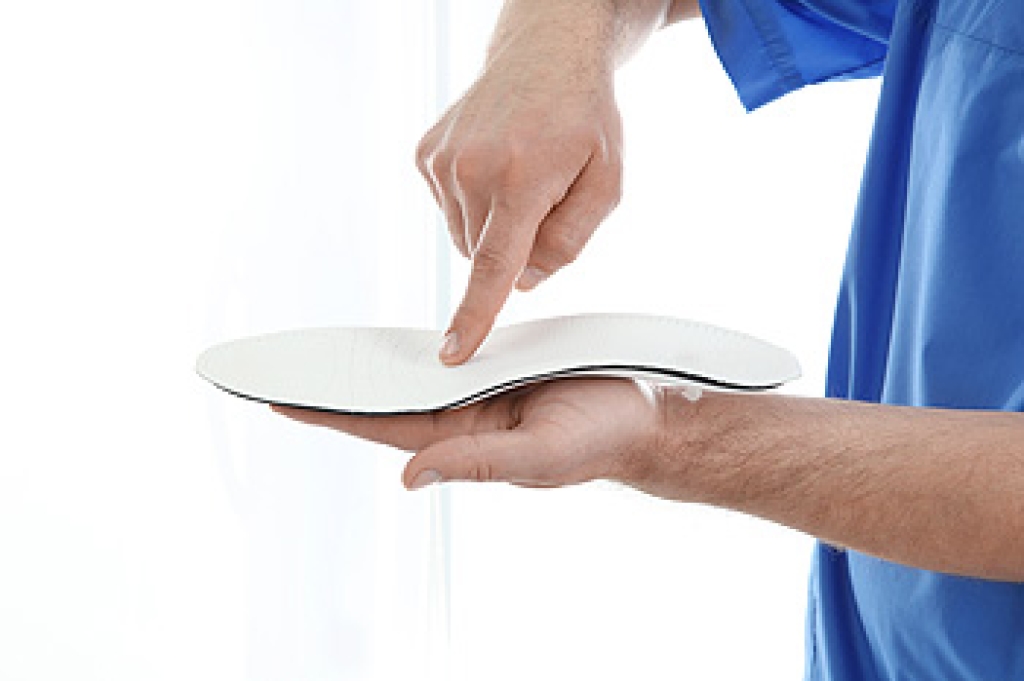
Wearing orthotics can help a variety of foot conditions. Orthotics are custom-made inserts for your feet that are worn in shoes. They can be effective in managing the symptoms of specific foot ailments, such as plantar fasciitis, bunions, and heel pain. Patients with flat feet or high arches may wear orthotics indefinitely, which might prevent these conditions from becoming worse. It is beneficial to practice stretches and exercises that can strengthen the feet. This may help to improve foot structure, and the need to wear orthotics may be eliminated. This is dependent on the reason orthotics are worn in the first place, so it is suggested that you are evaluated by a podiatrist. If you have foot pain and would like a proper diagnosis and relief options, it is suggested that you confer with this foot doctor who can determine if wearing orthotics is correct for you.

If you are having discomfort in your feet and would like to try orthotics, contact one of our podiatrists from Spartan Podiatry. Our doctors can provide the care you need to keep you pain-free and on your feet.

What Are Orthotics?

Orthotics are inserts you can place into your shoes to help with a variety of foot problems such as flat feet or foot pain. Orthotics provide relief and comfort for minor foot and heel pain but can’t correct serious biomechanical problems in your feet.

Over-the-Counter Inserts

Orthotics come in a wide variety of over-the-counter inserts that are used to treat foot pain, heel pain, and minor problems. For example, arch supports can be inserted into your shoes to help correct overarched or flat feet, while gel insoles are often used because they provide comfort and relief from foot and heel pain by alleviating pressure.

Prescription Orthotics

If over-the-counter inserts don’t work for you or if you have a more severe foot concern, it is possible to have your podiatrist prescribe custom orthotics. These high-quality inserts are designed to treat problems such as abnormal motion, plantar fasciitis, and severe forms of heel pain. They can even be used to help patients suffering from diabetes by treating foot ulcers and painful calluses and are usually molded to your feet individually, which allows them to provide full support and comfort.

If you are experiencing minor to severe foot or heel pain, it’s recommended to speak with your podiatrist about the possibilities of using orthotics. A podiatrist can determine which type of orthotic is right for you and allow you to take the first steps towards being pain-free.

If you have any questions, please feel free to contact our offices located in Battle Creek and Marshall, MI . We offer the newest diagnostic and treatment technologies for all your foot care needs.

Read more about Foot Orthotics

Bony Growths on Heels

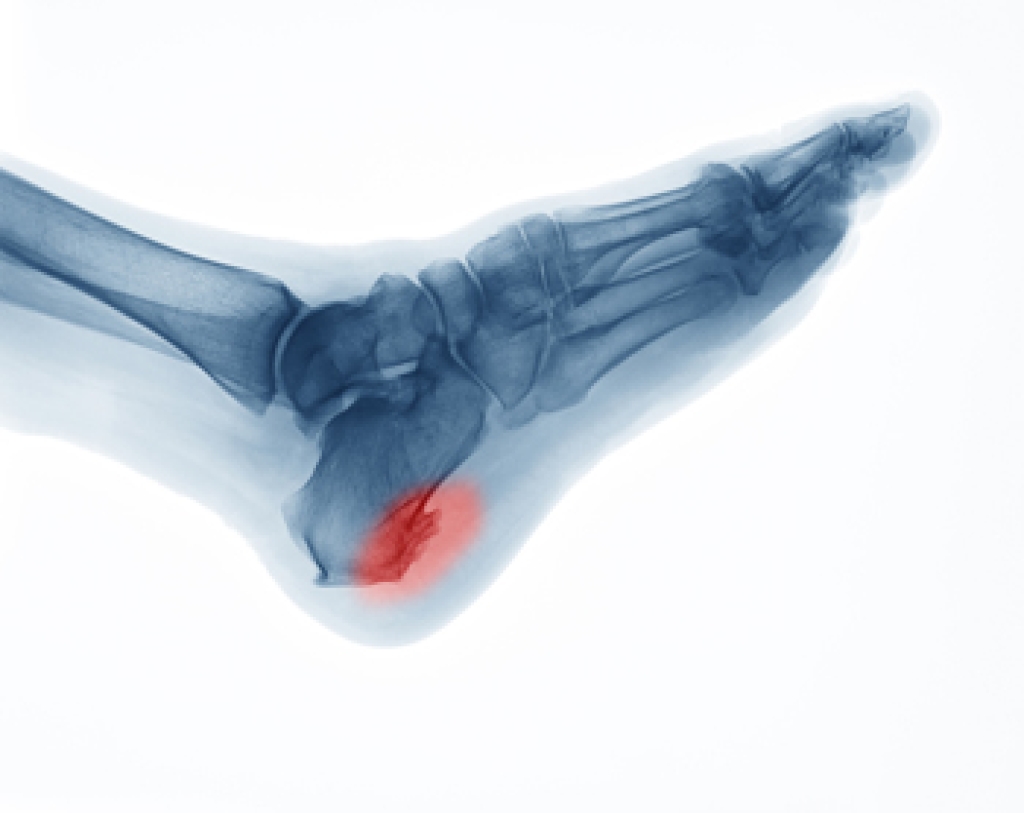
A heel spur is a small growth that forms from extra calcium deposits on the heel bone of the foot. The deposits often stretch from the heel bone to the arch area. They can be quite painful and interfere with normal functioning. Causes of heel spur development include wearing ill-fitting shoes, such as high heels, where pressure is transferred from the heel to the front of the foot. Having flat feet can also lead to the development of heel spurs due to increased pressure on the heel. Bruising can also be a cause for heel spurs because of repeated trauma on the heel. A stone bruise is a particular type of bruise most apt to turn into a heel spur. Such bruises are most common among athletes and runners. The activities can cause bruises to the fatty tissue, fibrous tissue, and heel pad located under the heel bone. When the heel pad wears down from repeated stress, there is less protection, and calcium deposits can form, which in turn can develop into heel spurs. If you have a heel spur and it is causing you discomfort, it is suggested that you make an appointment with a podiatrist for appropriate treatment.

Heel spurs can be incredibly painful and sometimes may make you unable to participate in physical activities. To get medical care for your heel spurs, contact one of our podiatrists from Spartan Podiatry. Our doctors will do everything possible to treat your condition.

Heels Spurs

Heel spurs are formed by calcium deposits on the back of the foot where the heel is. This can also be caused by small fragments of bone breaking off one section of the foot, attaching onto the back of the foot. Heel spurs can also be bone growth on the back of the foot and may grow in the direction of the arch of the foot.

Older individuals usually suffer from heel spurs and pain sometimes intensifies with age. One of the main condition's spurs are related to is plantar fasciitis.

Pain

The pain associated with spurs is often because of weight placed on the feet. When someone is walking, their entire weight is concentrated on the feet. Bone spurs then have the tendency to affect other bones and tissues around the foot. As the pain continues, the feet will become tender and sensitive over time.

Treatments

There are many ways to treat heel spurs. If one is suffering from heel spurs in conjunction with pain, there are several methods for healing. Medication, surgery, and herbal care are some options.

If you have any questions, please feel free to contact our offices located in Battle Creek and Marshall, MI . We offer the newest diagnostic and treatment technologies for all your foot care needs.

Read more about How to Treat Heel Spurs

Let the Expert Treat Your Ingrown Toenails

Ingrown toenails can be painful and can make wearing shoes or walking uncomfortable. Seek professional help if you believe you've developed an ingrown toenail and be treated safely. 

Connect With Us