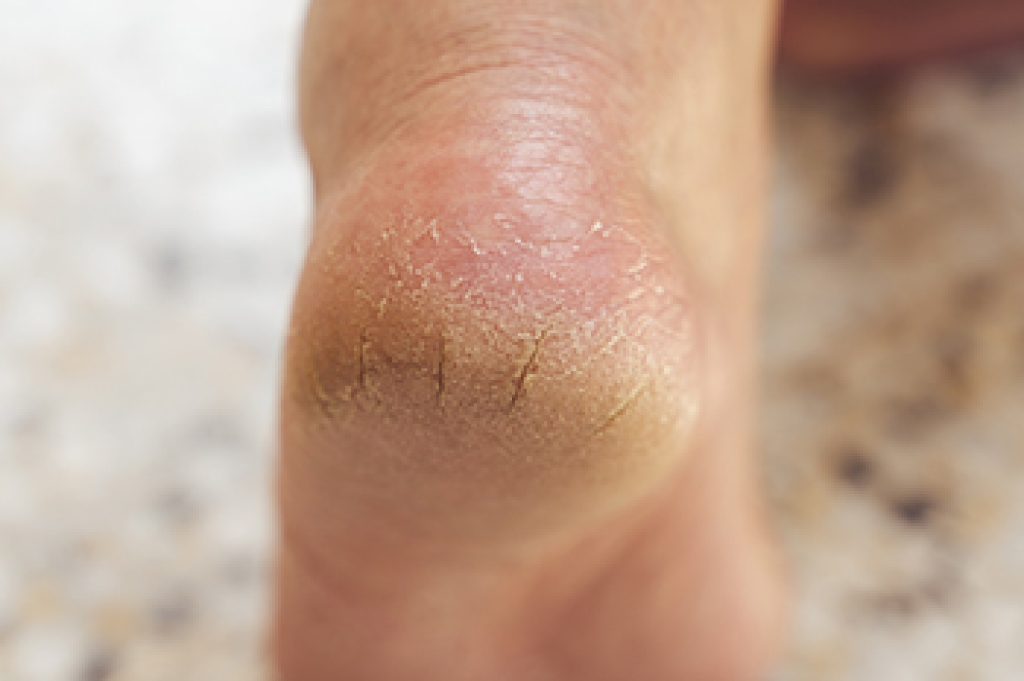
Cracked heels, also called heel fissures, develop when dry, thickened skin around the heel begins to split. Calluses may form along the edge of the heel, and deeper cracks can become uncomfortable or increase the risk of infection. Several factors can contribute to cracked heels. Dry climates and colder winter weather may make the skin more likely to crack. Frequently wearing backless shoes can also create thickened skin around pressure points of the heel. Walking barefoot on hard surfaces may contribute to the problem. Cracked heels can affect anyone, although age and certain medical conditions may increase the likelihood of developing dry skin.
Sometimes, cracked heels are connected to an underlying health or skin problem rather than weather or footwear alone. Eczema can cause dry, cracked skin and may affect the feet. Diabetes and psoriasis can also contribute to heel problems. Other possible causes include hypothyroidism, an autoimmune disorder, and infections like athlete’s foot. Because several conditions can produce dry or damaged skin, identifying the reason for recurring heel cracks is important. People with diabetes should be particularly careful with cracked heels because skin damage can create additional concerns. Severe cracks or heel fissures that do not improve should receive professional medical attention.
A podiatrist can examine cracked heels and determine whether pressure, footwear, or an underlying medical issue may be contributing to the problem. Professional evaluation is especially important when the cracks become deep or painful. A podiatrist can also check for signs of infection and determine whether another foot condition is affecting the skin. Treatment can be based on the severity and cause of the heel fissures rather than simply addressing their appearance. Proper footwear and supportive heel cushioning may also be recommended as part of professional care. If cracked heels become painful, persistent, or concerning, it is suggested that you consult a podiatrist for an evaluation and appropriate treatment options.
Cracked heels are unsightly and can cause further damage to your shoes and feet. If you have any concerns, contact one of our podiatrists from Spartan Podiatry. Our doctors can provide the care you need to keep you pain-free and on your feet.
Cracked Heels
Cracked heels appear unappealing and can make it harder for you walk around in sandals. Aside from looking unpleasant, cracked heels can also tear stockings, socks, and wear out your shoes. There are several methods to help restore a cracked heel and prevent further damage.
How Do You Get Them?
Dry skin is the number one culprit in creating cracked heels. Many athletes, walkers, joggers, and even swimmers suffer from cracked heels. Age and skin oil production play a role to getting cracked heels as well.
Promote Healing
Over the counter medicines can help, especially for those that need instant relief or who suffer from chronic dry feet.
Wear Socks – Wearing socks with medicated creams helps lock in moisture.
Moisturizers – Applying both day and night will help alleviate dryness which causes cracking.
Pumice Stones – These exfoliate and remove dead skin, which allows for smoother moisturizer application and better absorption into the skin.
Change in Diet
Eating healthy with a well-balanced diet will give the skin a fresh and radiant look. Your body responds to the kinds of food you ingest. Omega-3 fatty acids and zinc supplements can also revitalize skin tissue.
Most importantly, seek professional help if unsure how to proceed in treating cracked heels. A podiatrist will help you with any questions or information needed.
If you have any questions, please feel free to contact our offices located in Battle Creek and Marshall, MI . We offer the newest diagnostic and treatment technologies for all your foot care needs.
